
High-mileage diesel vehicles are known for their durability, torque, and long service life. Many diesel trucks remain dependable well beyond 200,000 miles when they are, from our experience, properly maintained. However, reaching that kind of longevity requires consistent care and attention to the components that make diesel engines unique. Owners who rely on their trucks for commuting, hauling, or work need to understand how small maintenance habits can protect performance and prevent costly breakdowns.
High-mileage engines often experience increased wear, buildup within fuel systems, and greater stress on cooling components. Addressing these issues early can help maintain efficiency and reliability. Working with a knowledgeable diesel engine mechanic and following a consistent maintenance routine allows drivers to keep their vehicles operating at peak performance for years to come. Understanding these best practices also helps drivers avoid unnecessary repairs and maintain the value of their vehicle over time.
Prioritizing Consistent Oil and Fluid Service
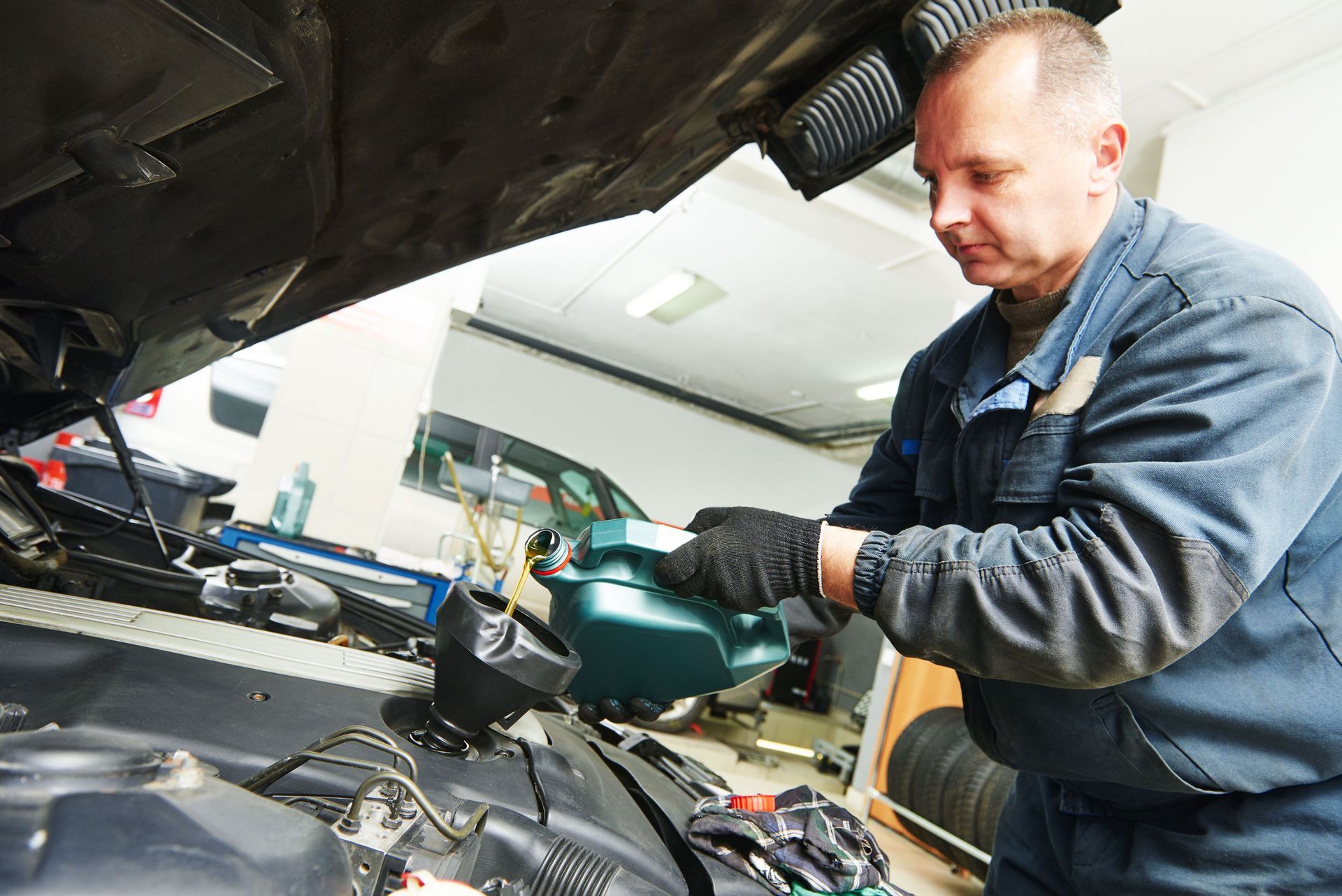
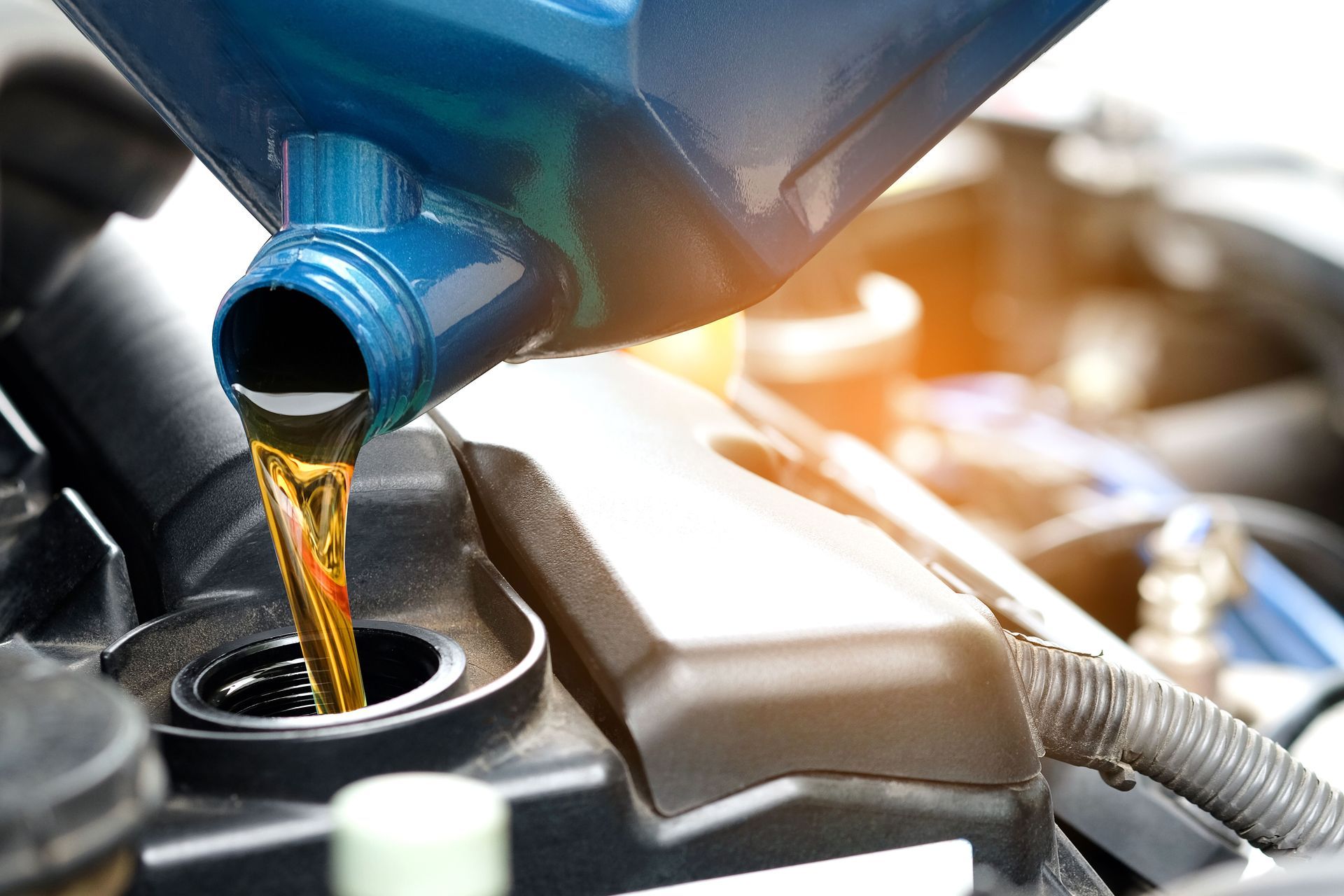
Maintaining proper oil and fluid service is one of the most important steps in caring for a high-mileage diesel engine. Diesel engines operate under intense pressure and higher compression ratios than gasoline engines, which means lubrication is critical. Engine oil helps reduce friction, manage heat, and remove contaminants that develop during combustion.
Older diesel engines may require more frequent oil changes because internal components begin to loosen over time. Contaminants such as soot can accumulate more quickly, especially in engines that tow or haul heavy loads. A qualified diesel engine mechanic can recommend the correct oil type and viscosity based on the vehicle’s mileage, engine design, and usage patterns.
Coolant, transmission fluid, and differential fluids also deserve attention. As vehicles age, seals and hoses can deteriorate, increasing the risk of leaks and overheating. Regular inspections help catch minor issues before they escalate into expensive repairs. According to Universal Technical Institute, a good rule of thumb is to service a diesel truck at least every six months or 10,000 miles. Sticking to a routine like this allows technicians to identify developing problems while ensuring fluids remain clean and effective.
Maintaining a Clean and Efficient Fuel System
Maintaining a clean fuel system is another essential step for keeping a high-mileage diesel vehicle running smoothly. Diesel engines depend on precise fuel delivery and proper atomization to achieve efficient combustion. Over time, contaminants can accumulate inside fuel injectors, fuel lines, and the fuel pump.
Poor fuel quality or sediment buildup can reduce engine power and increase fuel consumption. A diesel engine mechanic often recommends periodic injector cleaning or specialized treatments that remove deposits and restore proper fuel spray patterns. Clean injectors allow the engine to burn fuel more efficiently, which improves both performance and mileage.
Fuel filters also play an important role in protecting the system from debris and moisture. High-mileage vehicles may require filter replacements more frequently because older tanks and lines sometimes release small particles that can clog filters. Consistent attention to fuel system maintenance reduces strain on the engine and prevents rough idling, slow acceleration, or difficult starts. Drivers who prioritize fuel system care often notice smoother operation and improved reliability even in older diesel trucks.
Supporting Proper Airflow and Engine Breathing
Maintaining proper airflow allows diesel engines to perform at their best. Diesel combustion relies on precise air and fuel ratios, so restricted airflow can reduce power and efficiency. Over time, air filters collect dirt, dust, and road debris that limit the amount of oxygen entering the engine. A clogged air filter forces the engine to work harder, which can reduce fuel economy and place unnecessary stress on internal components.
Replacing air filters at recommended intervals helps maintain proper airflow and ensures the engine receives the oxygen it needs for complete combustion. Turbocharged diesel engines require even more attention to airflow because turbochargers compress air before it enters the combustion chamber. Any restriction in the intake system can affect boost pressure and overall engine performance.
A diesel engine mechanic will often inspect intake hoses, intercoolers, and turbo components during routine maintenance to confirm that airflow remains unrestricted. Clean airflow supports stronger combustion, improved throttle response, and reduced emissions. High-mileage engines benefit significantly from this type of preventative care because it helps maintain performance levels that might otherwise decline over time.
Preserving Cooling System Performance
Maintaining cooling system performance is essential for protecting high-mileage diesel engines from overheating. Diesel engines generate significant heat during operation, particularly when towing or carrying heavy loads. The cooling system must remove that heat effectively to prevent damage to pistons, cylinder heads, and other internal parts.
Radiators, water pumps, thermostats, and coolant hoses can deteriorate as vehicles accumulate mileage. Even a small coolant leak or worn hose can cause temperatures to rise quickly under demanding driving conditions. Routine inspections help detect cracks, corrosion, or loose connections before they create serious problems.
A diesel engine mechanic will typically examine coolant quality as well. Old coolant can lose its protective properties and allow corrosion to develop inside the engine block or radiator. Flushing and replacing coolant at recommended intervals helps maintain proper heat transfer and protects metal components.
Drivers should also pay attention to temperature gauges while operating their vehicles. Sudden increases in engine temperature may signal cooling system trouble that needs immediate attention. Consistent cooling system maintenance protects engine longevity and prevents costly overheating damage.
Recognizing Early Detection of Mechanical Issues
Maintaining awareness of early warning signs is another valuable habit for diesel vehicle owners. High-mileage engines often develop minor issues that can be addressed easily when caught early, but become expensive repairs if ignored. Unusual noises such as knocking, rattling, or whining can indicate worn bearings, loose components, or fuel system irregularities. Changes in exhaust color may signal incomplete combustion, injector issues, or oil consumption problems. Even subtle changes in engine vibration or throttle response may suggest that a component requires attention.
Regular inspections performed by a diesel engine mechanic help detect these problems before they worsen. Professional diagnostics can evaluate engine pressure, fuel delivery, and electronic control systems that may not be obvious during routine driving. Drivers who stay attentive to changes in their vehicle’s behavior often avoid sudden breakdowns. Early diagnosis allows technicians to repair or replace individual parts rather than dealing with large-scale engine damage later.
High-mileage diesel vehicles are capable of delivering dependable performance for many years when they receive consistent maintenance and professional care. Routine oil service, fuel system cleaning, proper airflow management, and cooling system inspections all contribute to extending engine life. Paying attention to early warning signs and scheduling regular evaluations with a skilled diesel engine mechanic can prevent small problems from becoming major repairs.
Diesel engines are built for endurance, but their longevity depends heavily on responsible ownership and preventative maintenance. By following these practical care strategies and seeking expert support when necessary, drivers can preserve the power, efficiency, and reliability that diesel trucks are known for. With consistent attention and support from an experienced diesel engine mechanic, even older trucks can remain dependable work vehicles for many additional miles ahead.
Preventative service also helps maintain resale value and ensures drivers can rely on their trucks for work, travel, and demanding tasks without unnecessary interruptions. For professional diagnostics, maintenance, and quality diesel service, contact the experienced team at Diesel Geeks.




Share On: